 awildlifejourney
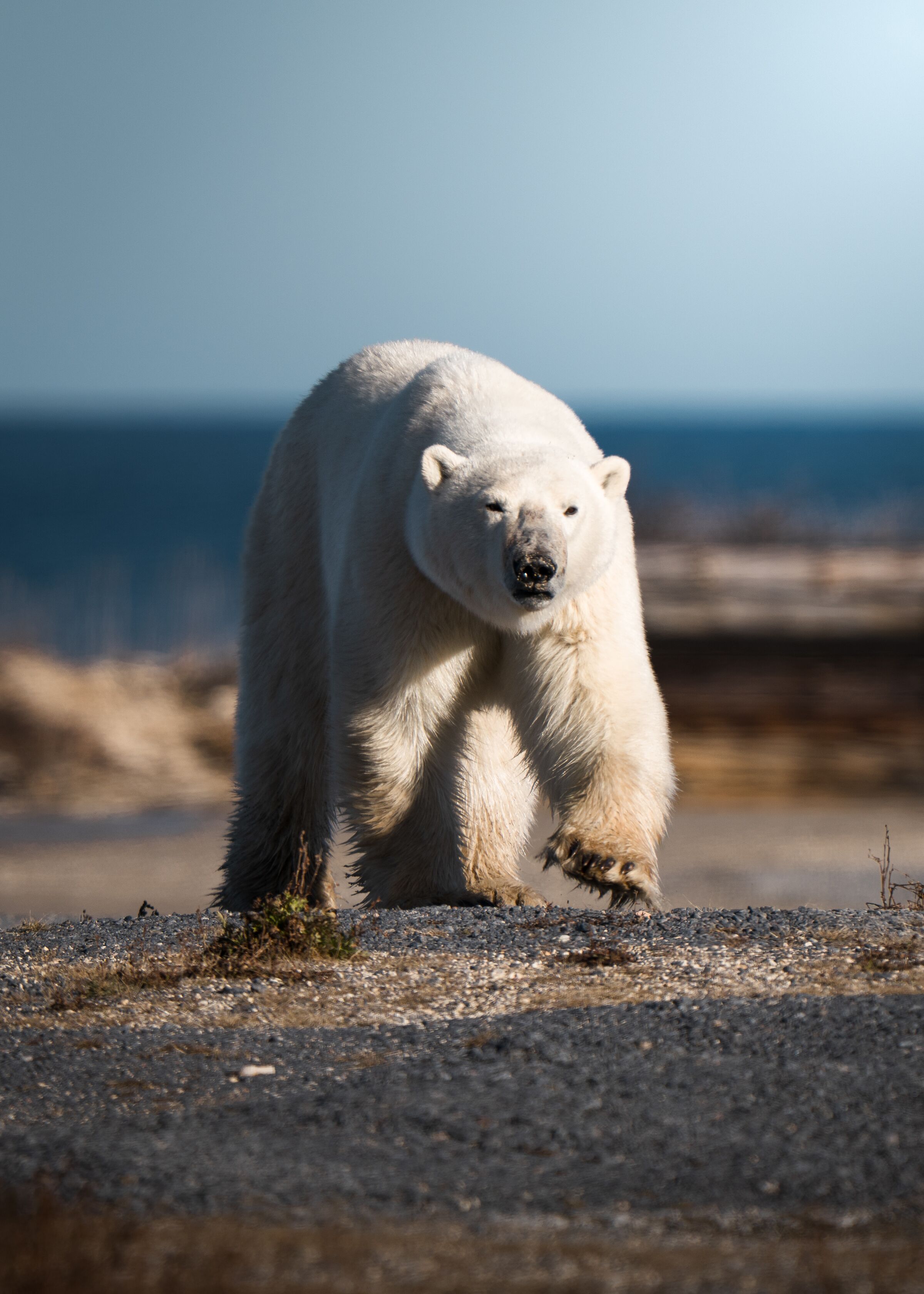
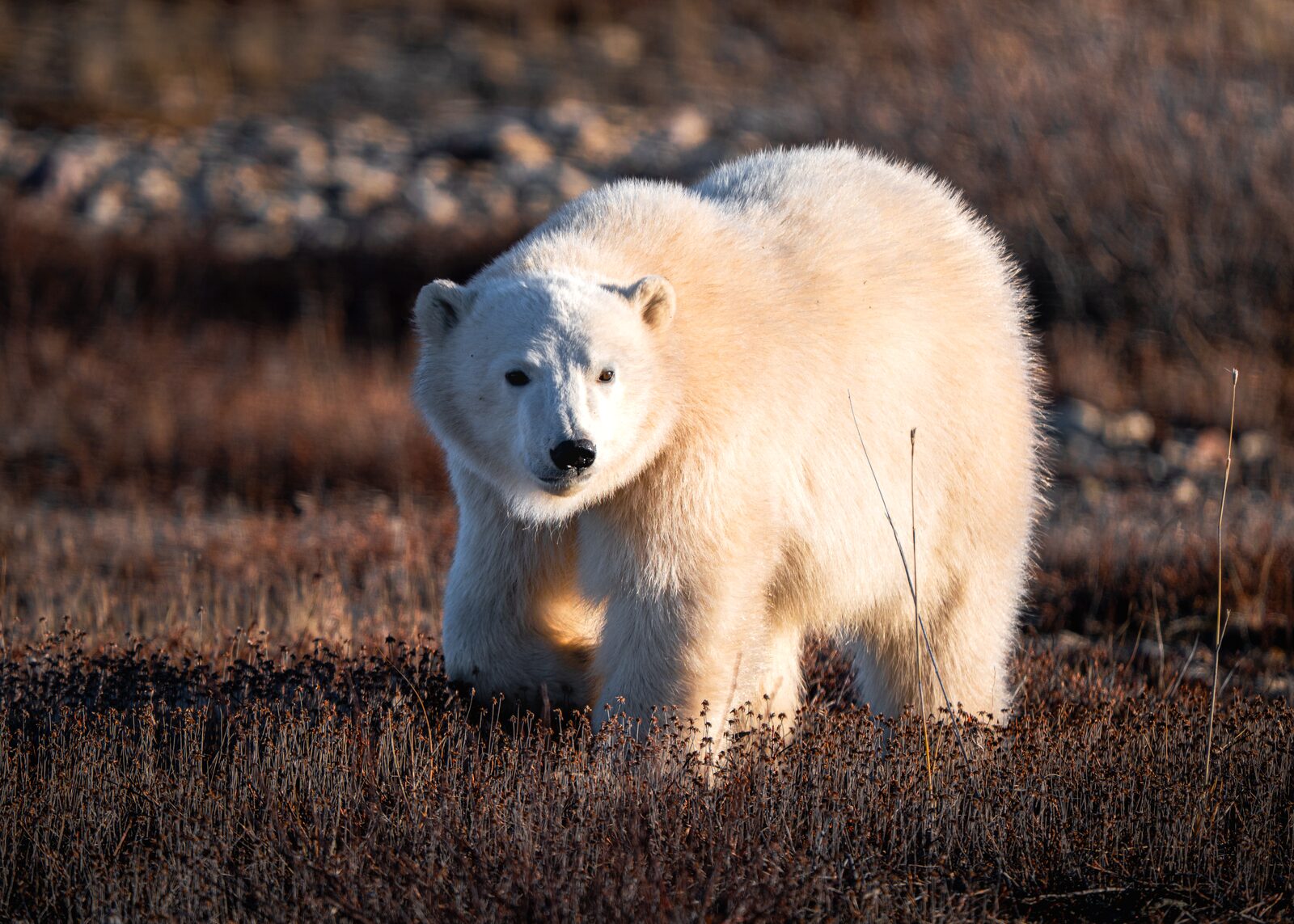
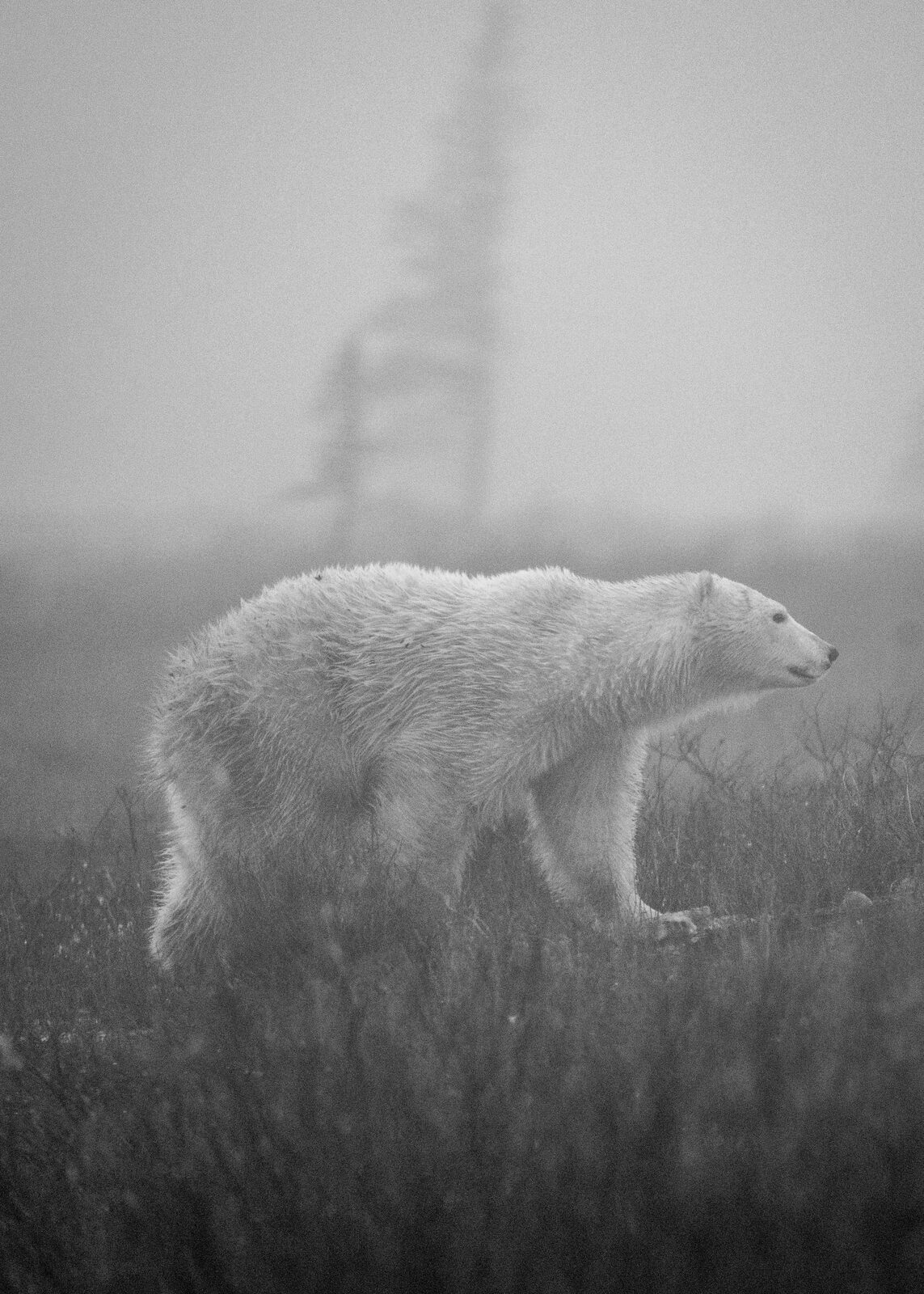
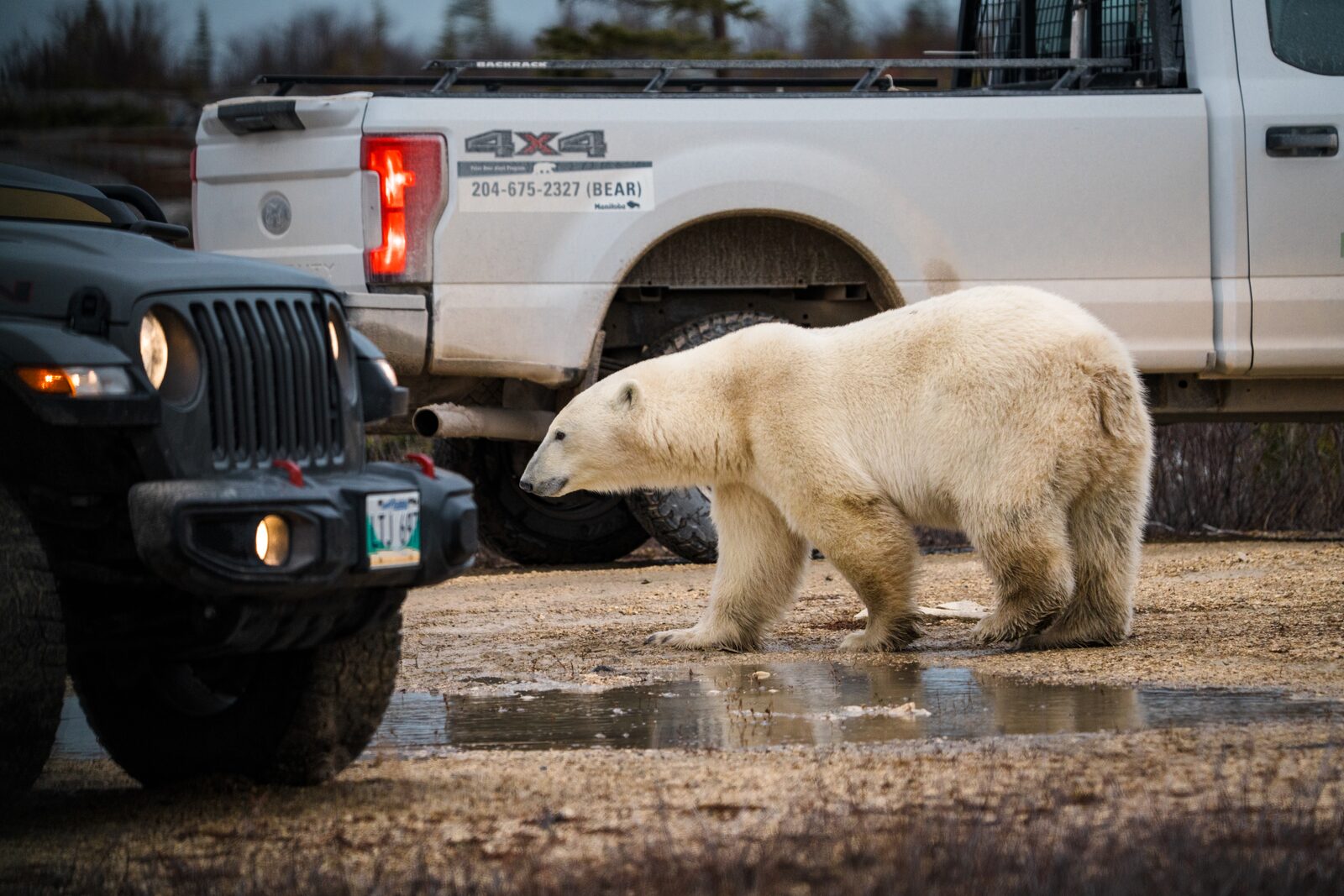
Every autumn, polar bears gather along the coast around Churchill. They are not here for the town. They are waiting for the ice. Hudson Bay melts completely in summer, usually by July, and the bears are forced ashore. Their food, mainly ringed seals, lives out on the sea ice, and without it they cannot hunt.
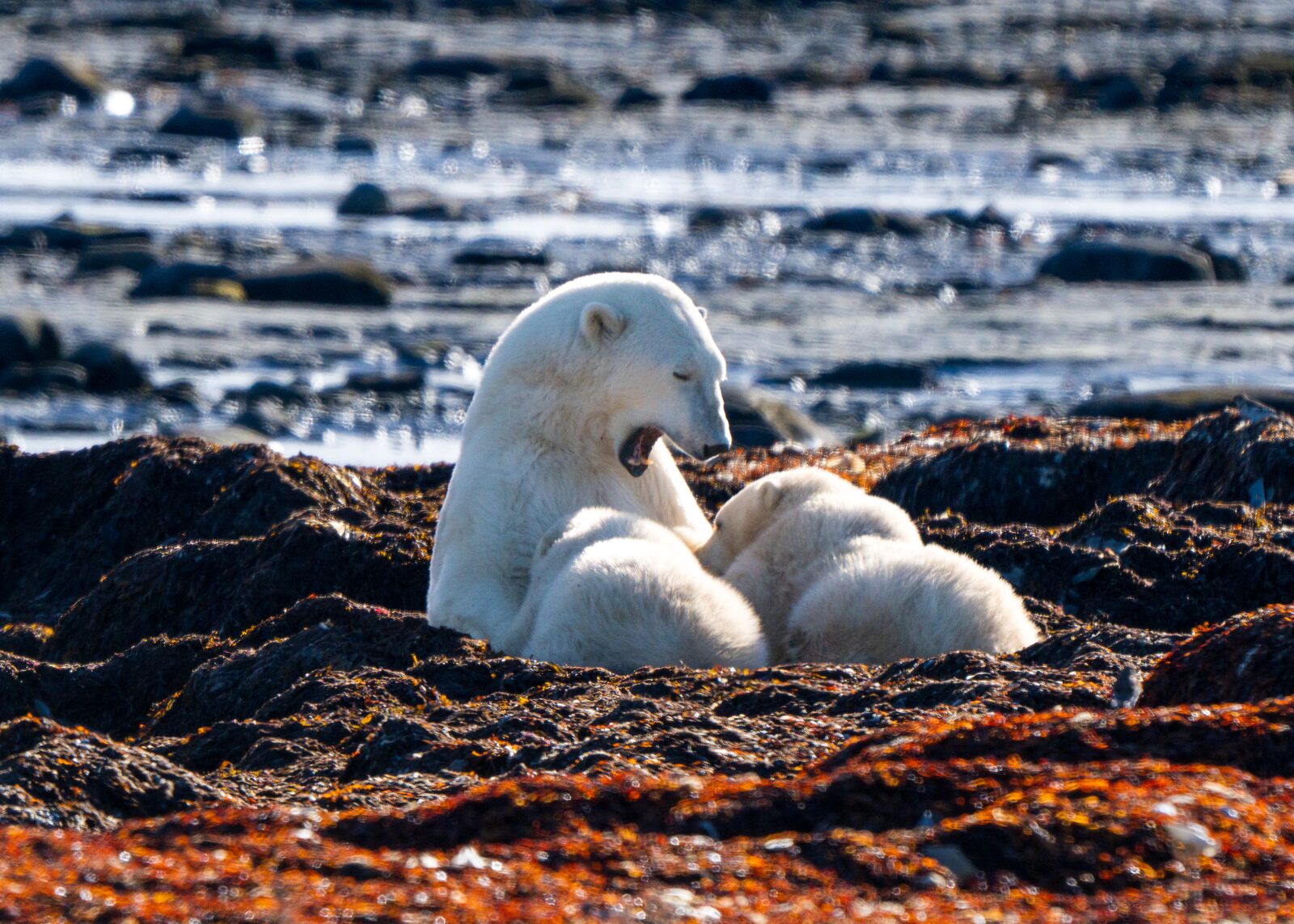
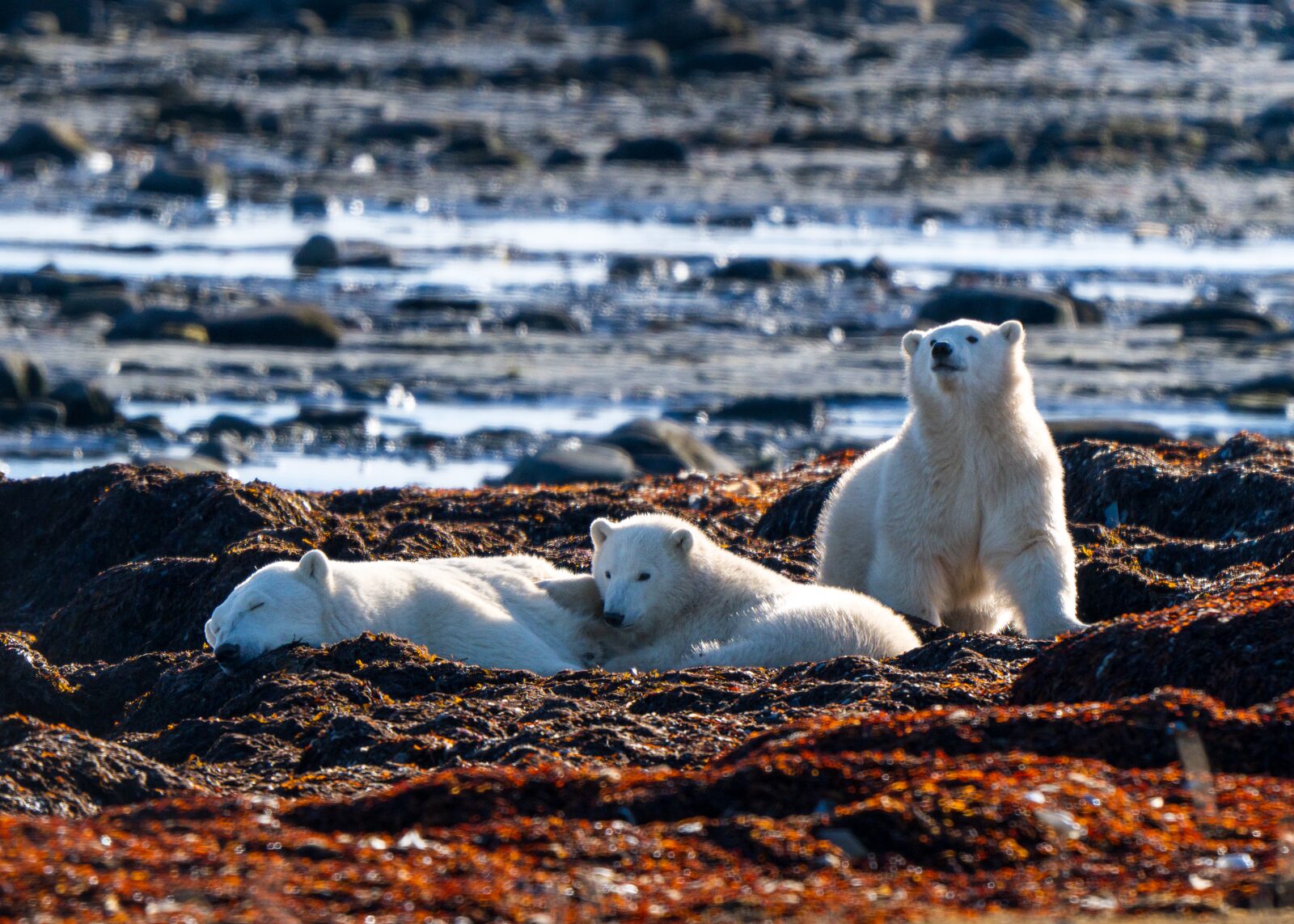
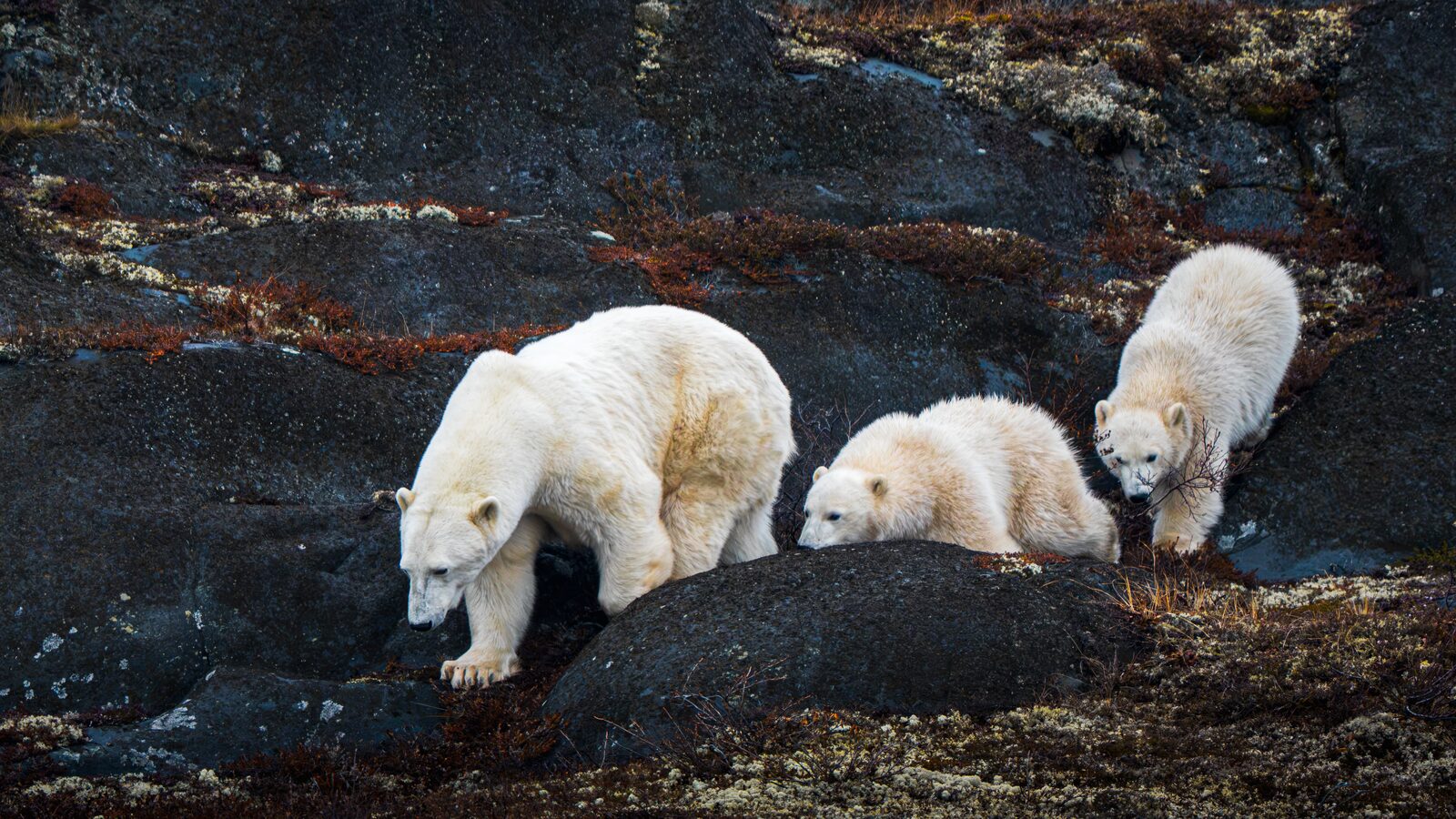
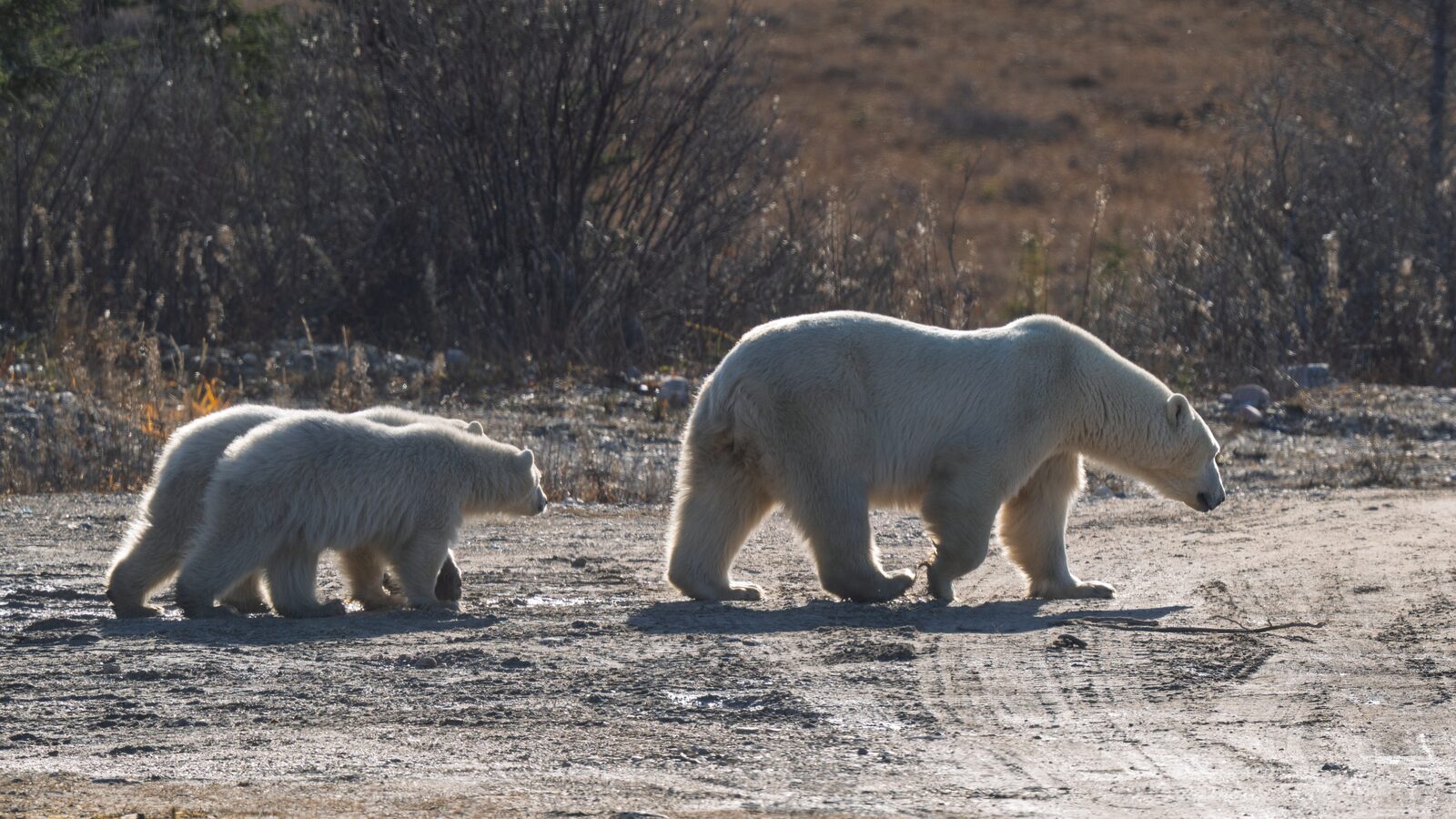
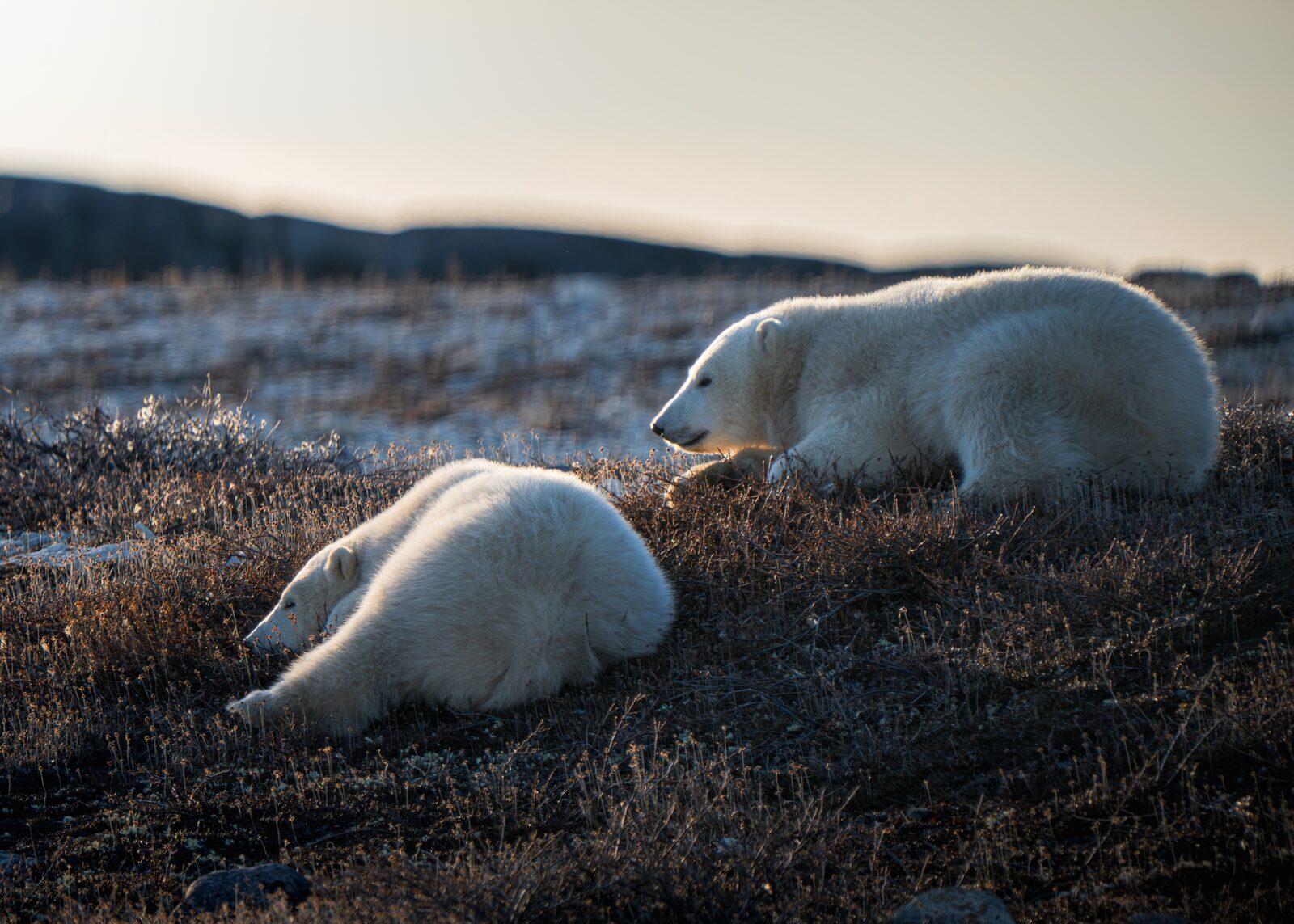
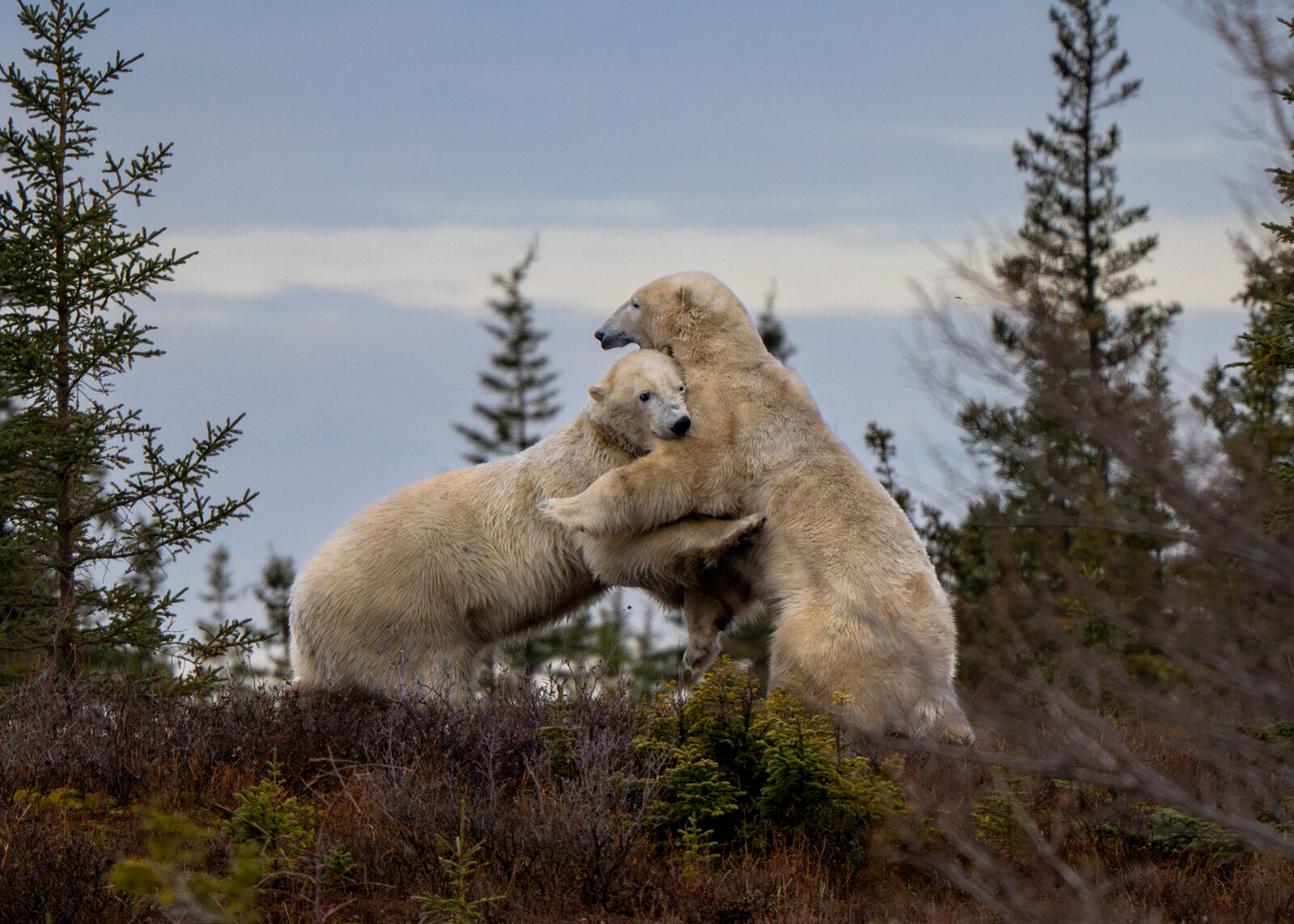
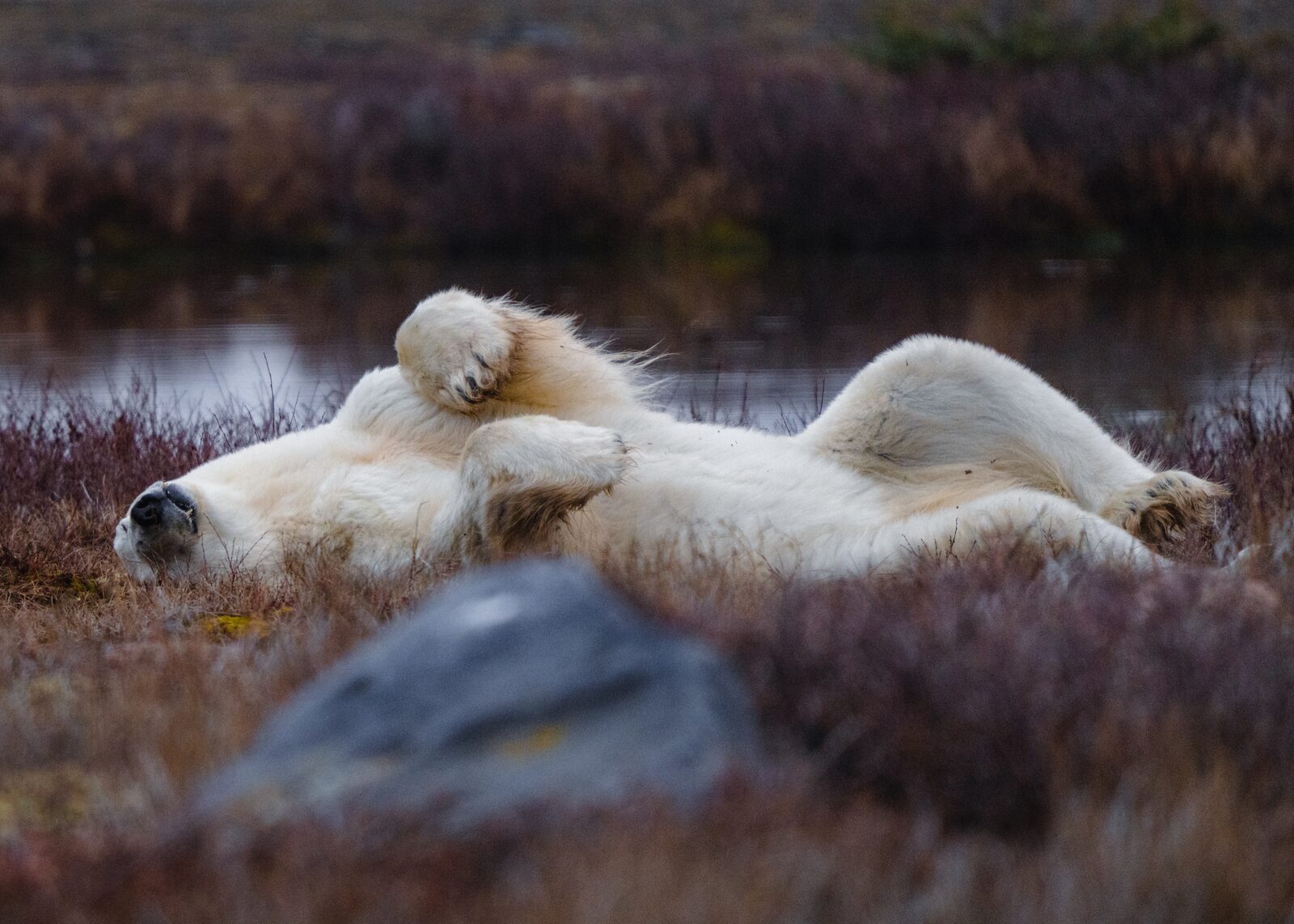
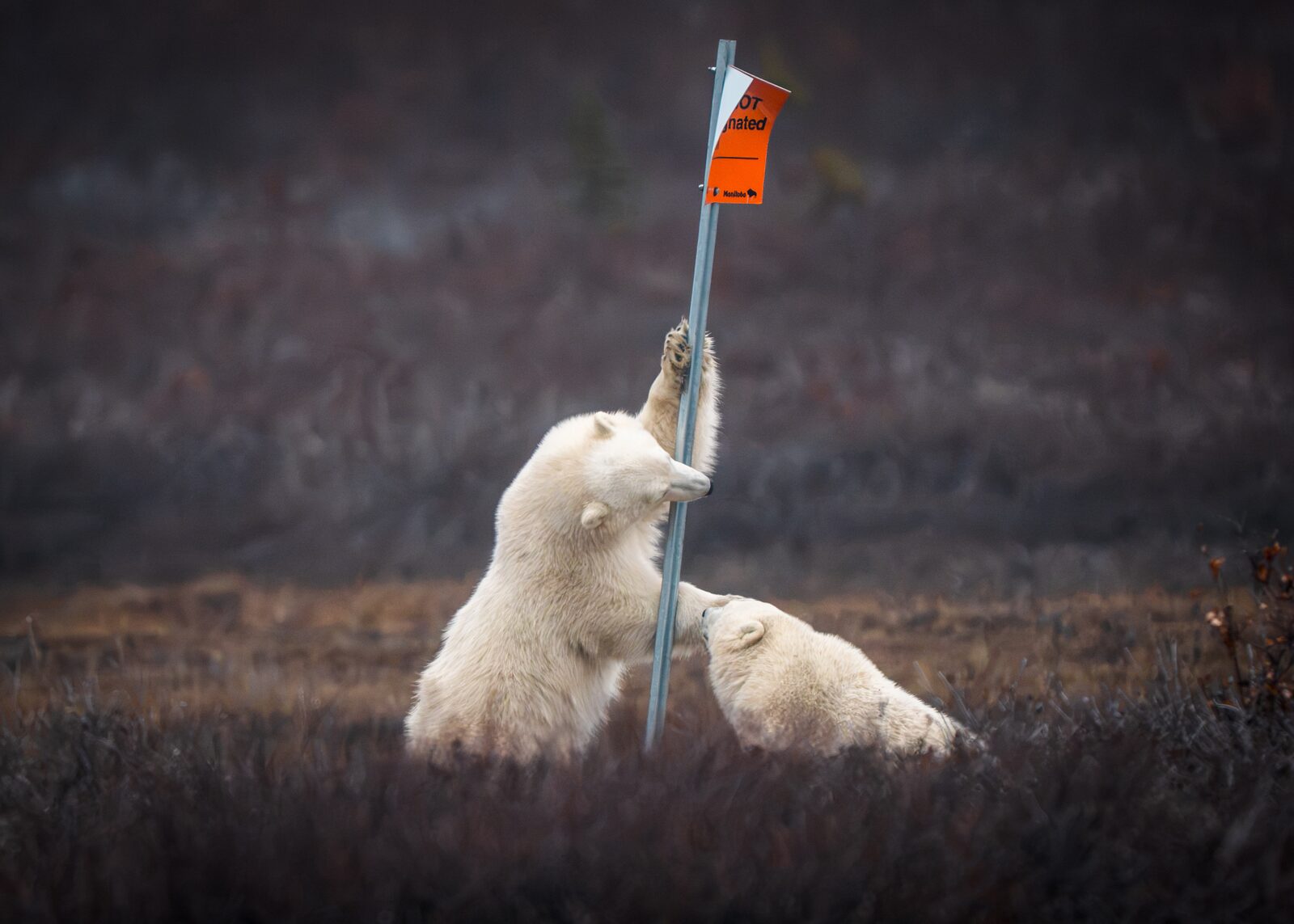
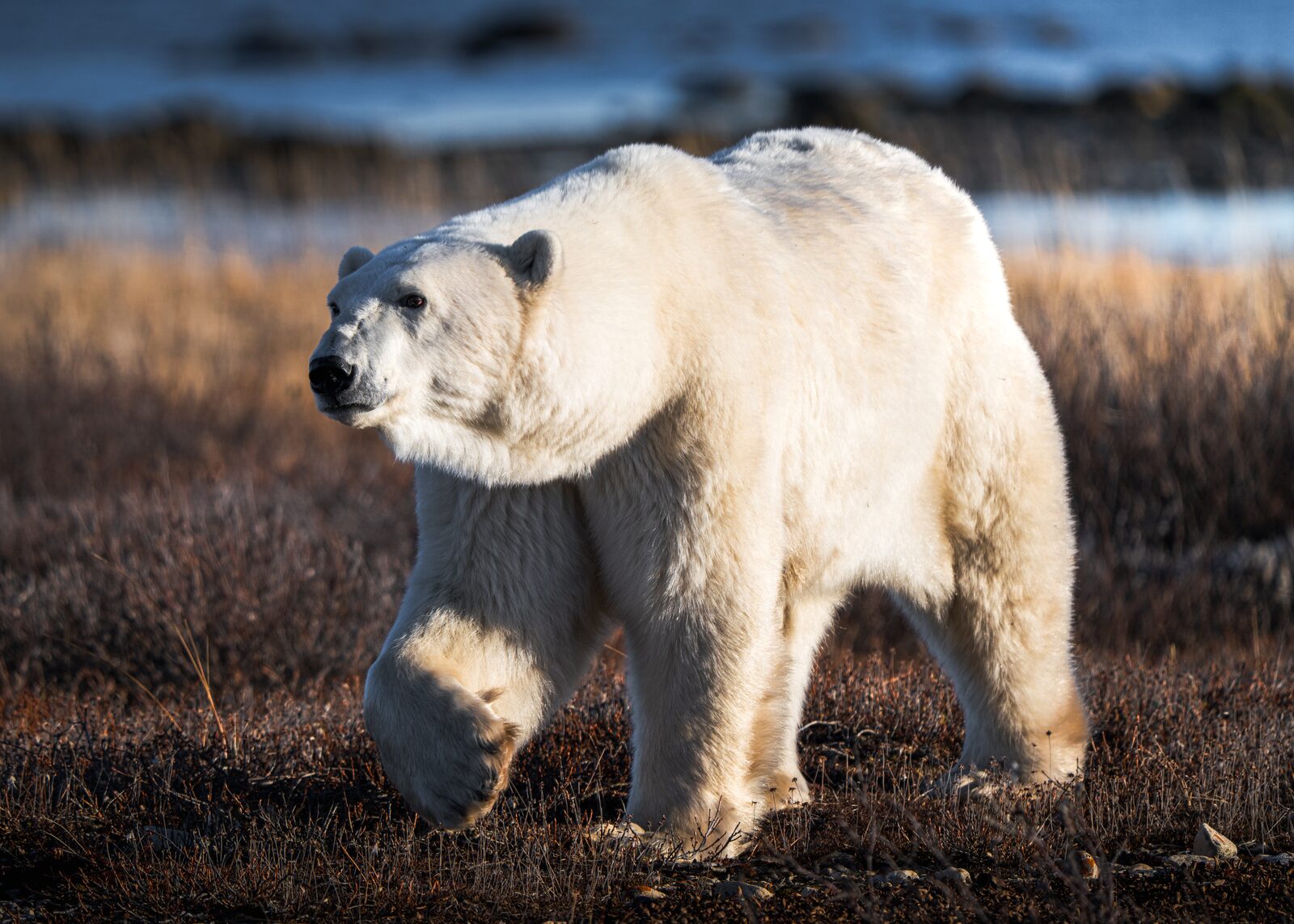
So they fast. For around four months they live off the fat they built up on the ice in spring, losing close to a kilogram of body weight a day. Pregnant females go even longer, up to eight months without food. Most of what you see is bears saving energy: lying in the kelp, dozing between the willows, walking slowly along the shore. Young males spar, which looks like a fight and is mostly play.
From October on they move to the coast, because this stretch of the bay is among the first to freeze. As soon as the new ice can carry their weight, they walk out onto it, and within a few days the shore is empty again. The ice-free season is now several weeks longer than it was in the 1980s, and the population of western Hudson Bay has roughly halved since then.
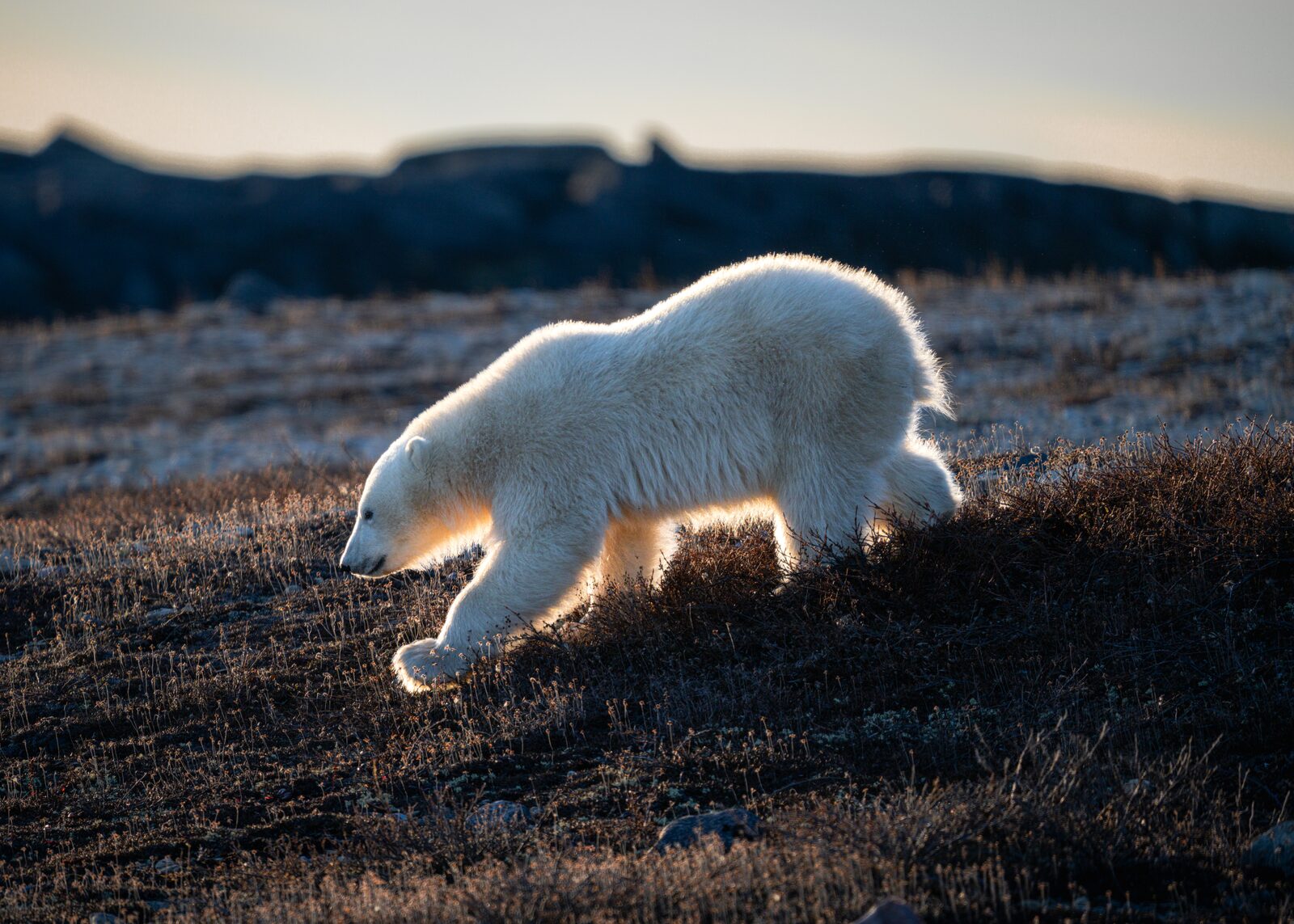
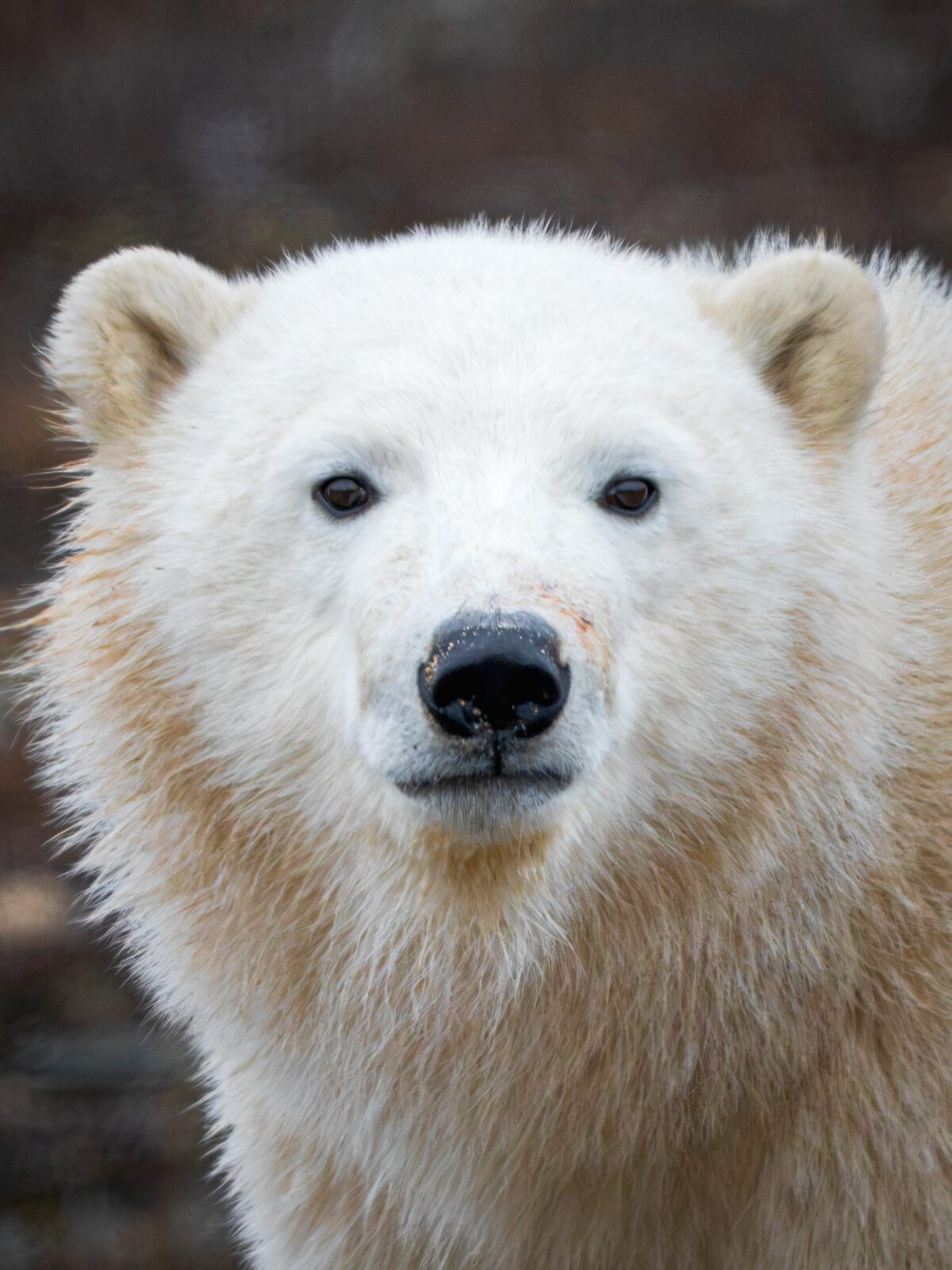
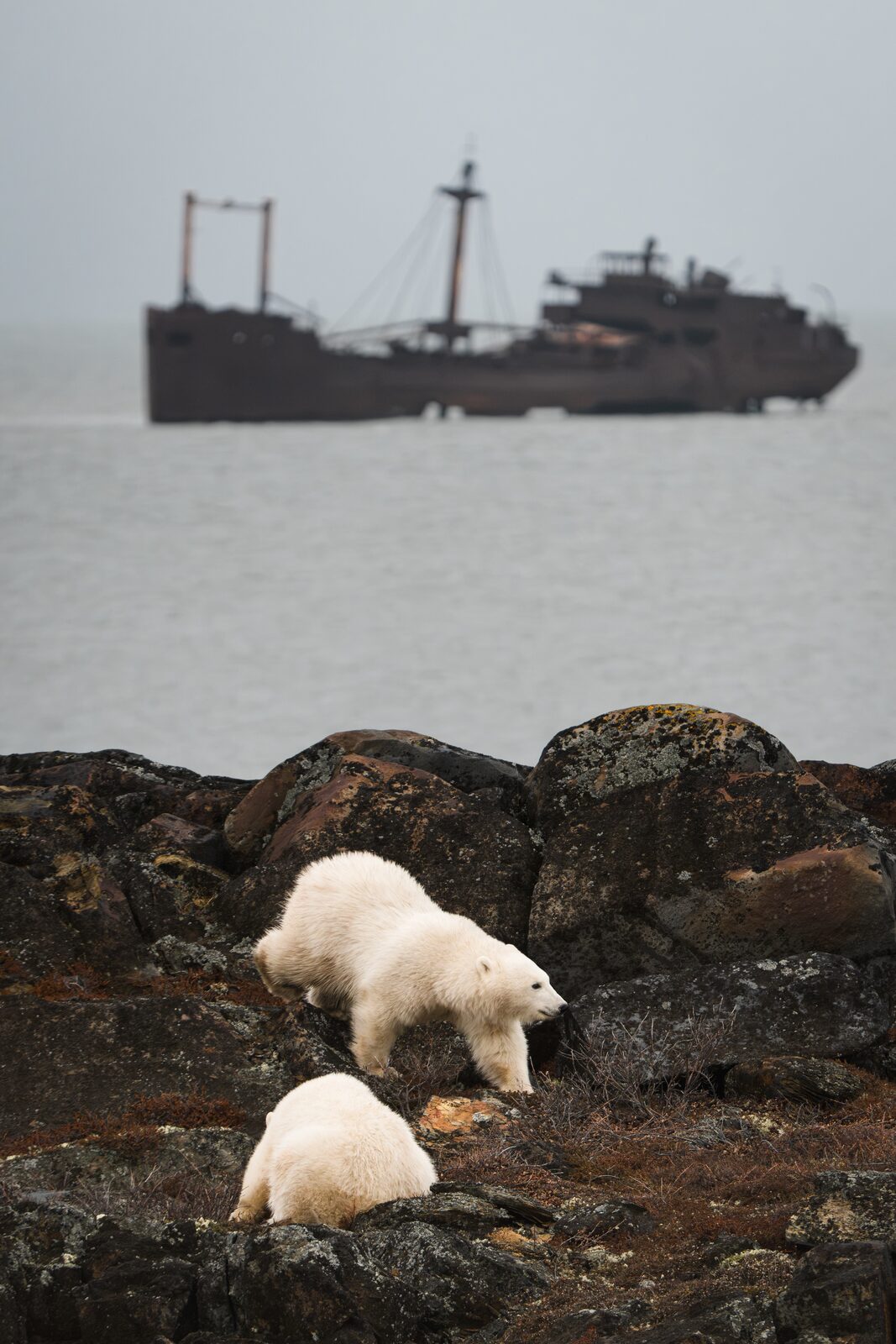
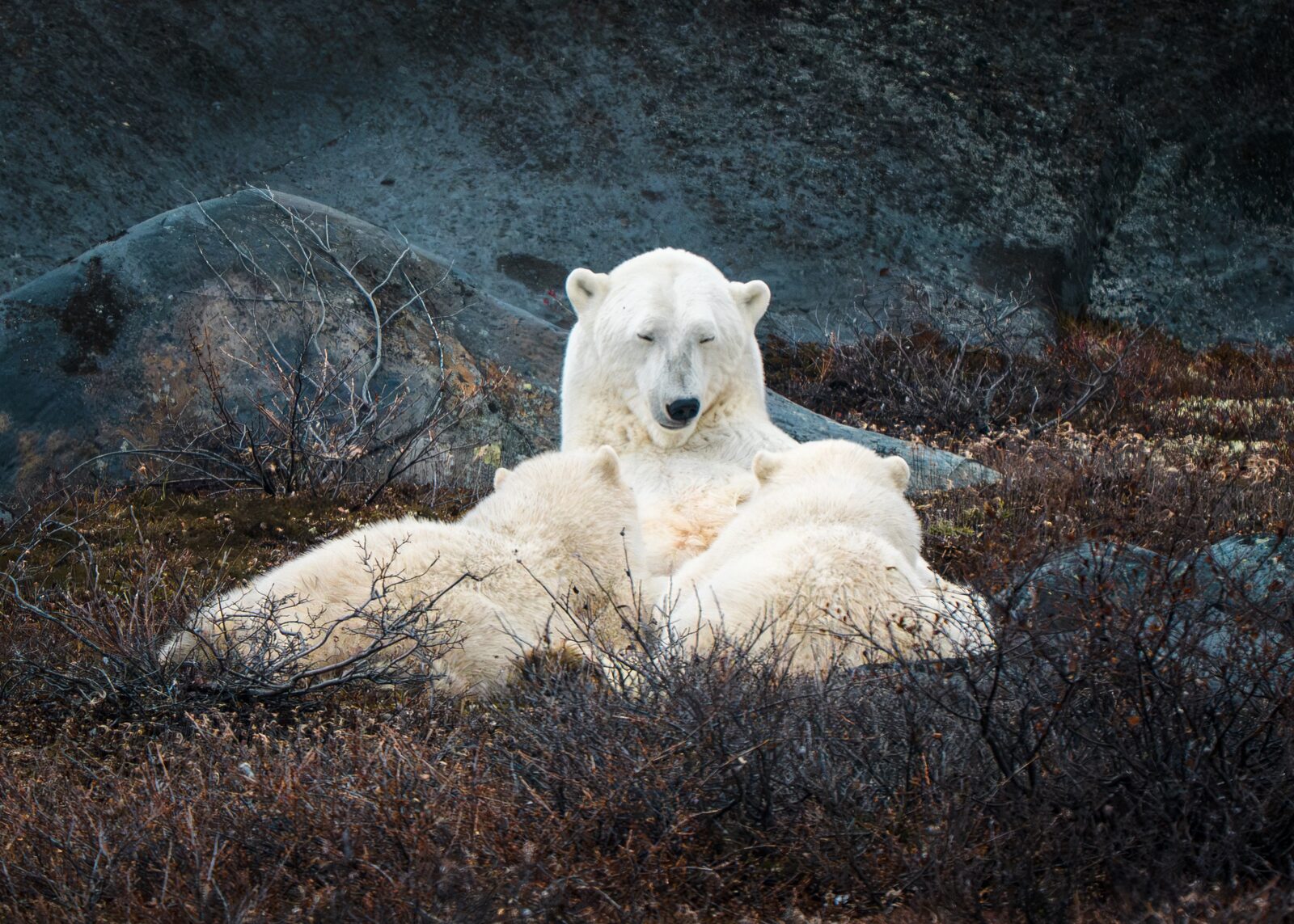
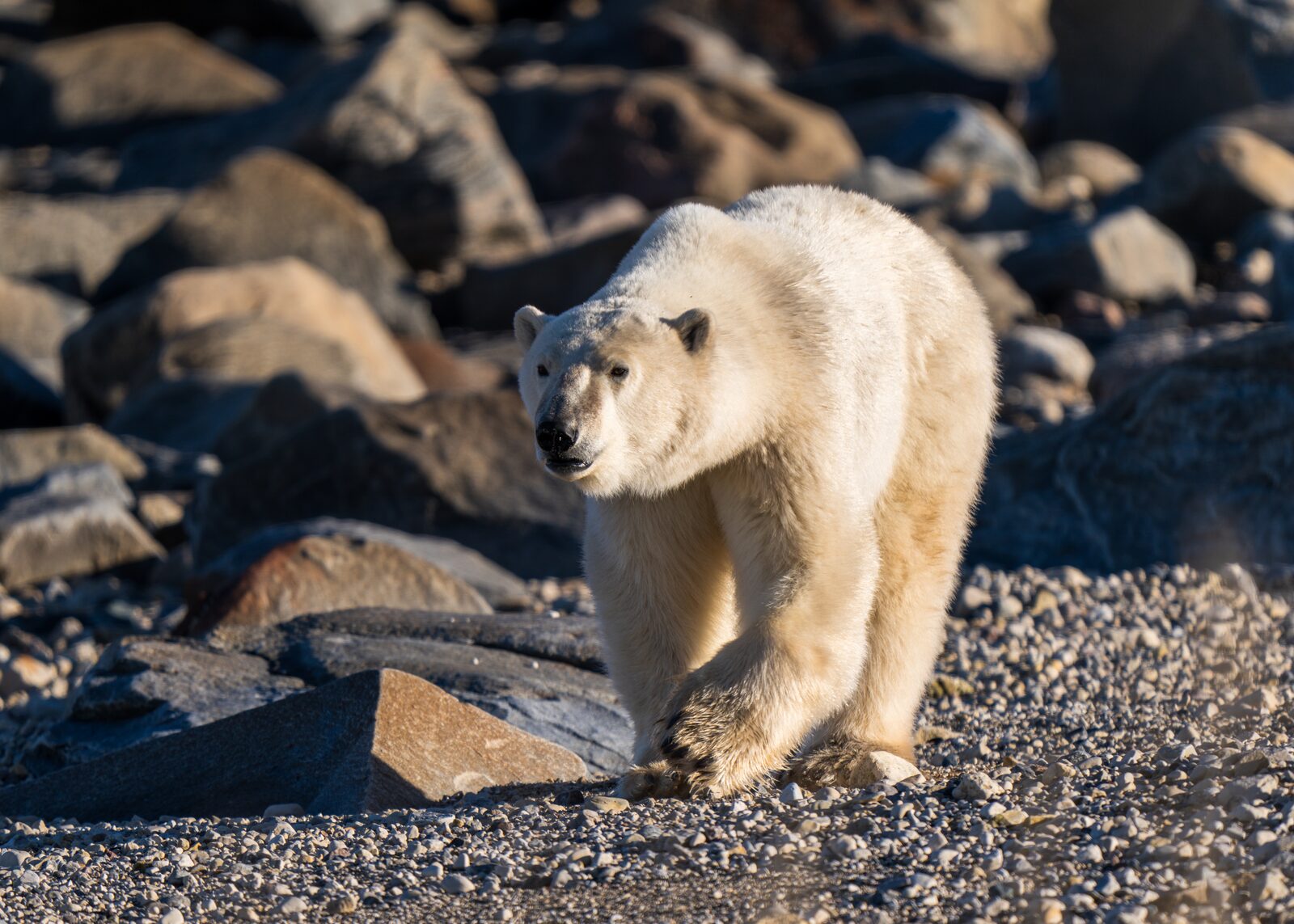
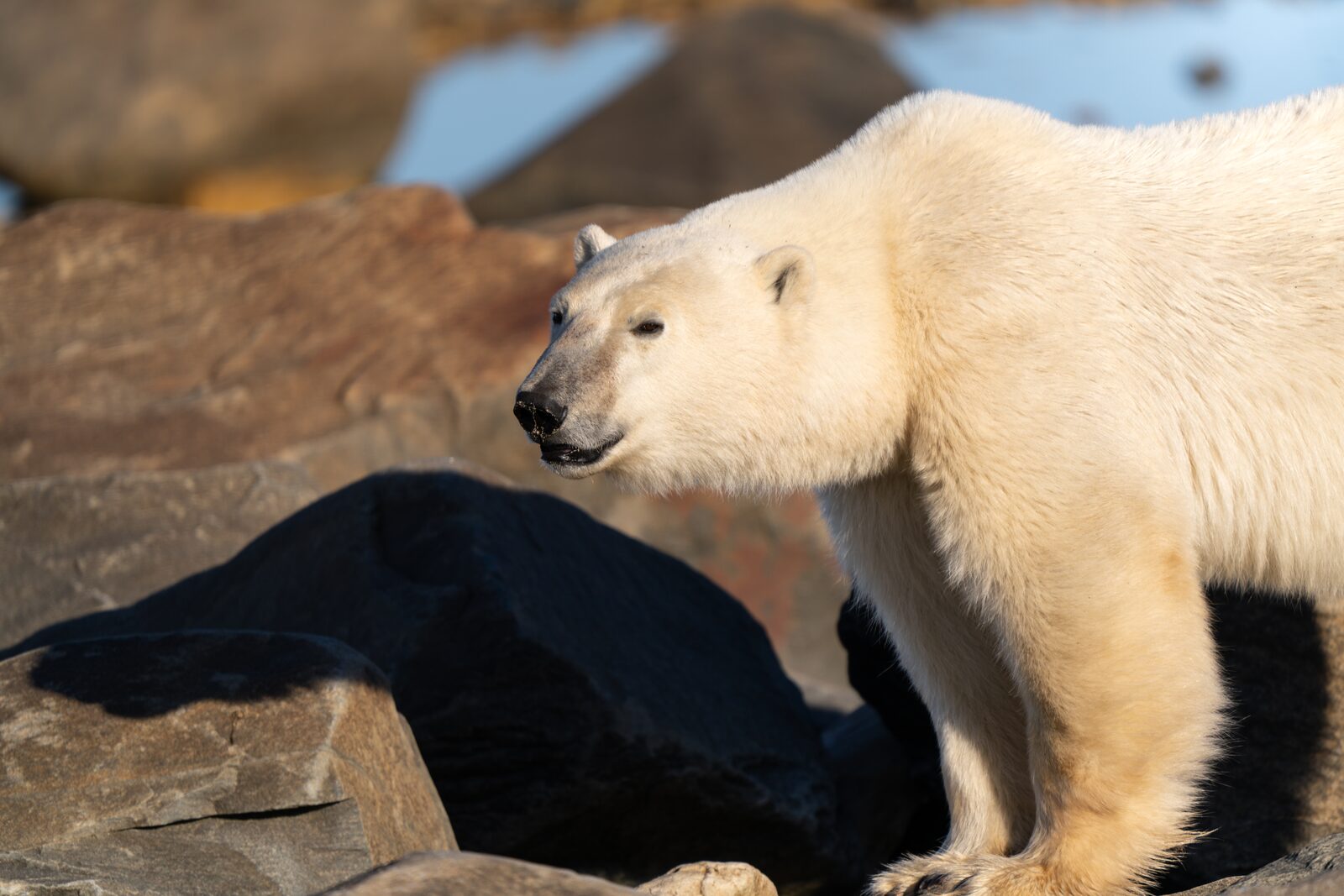
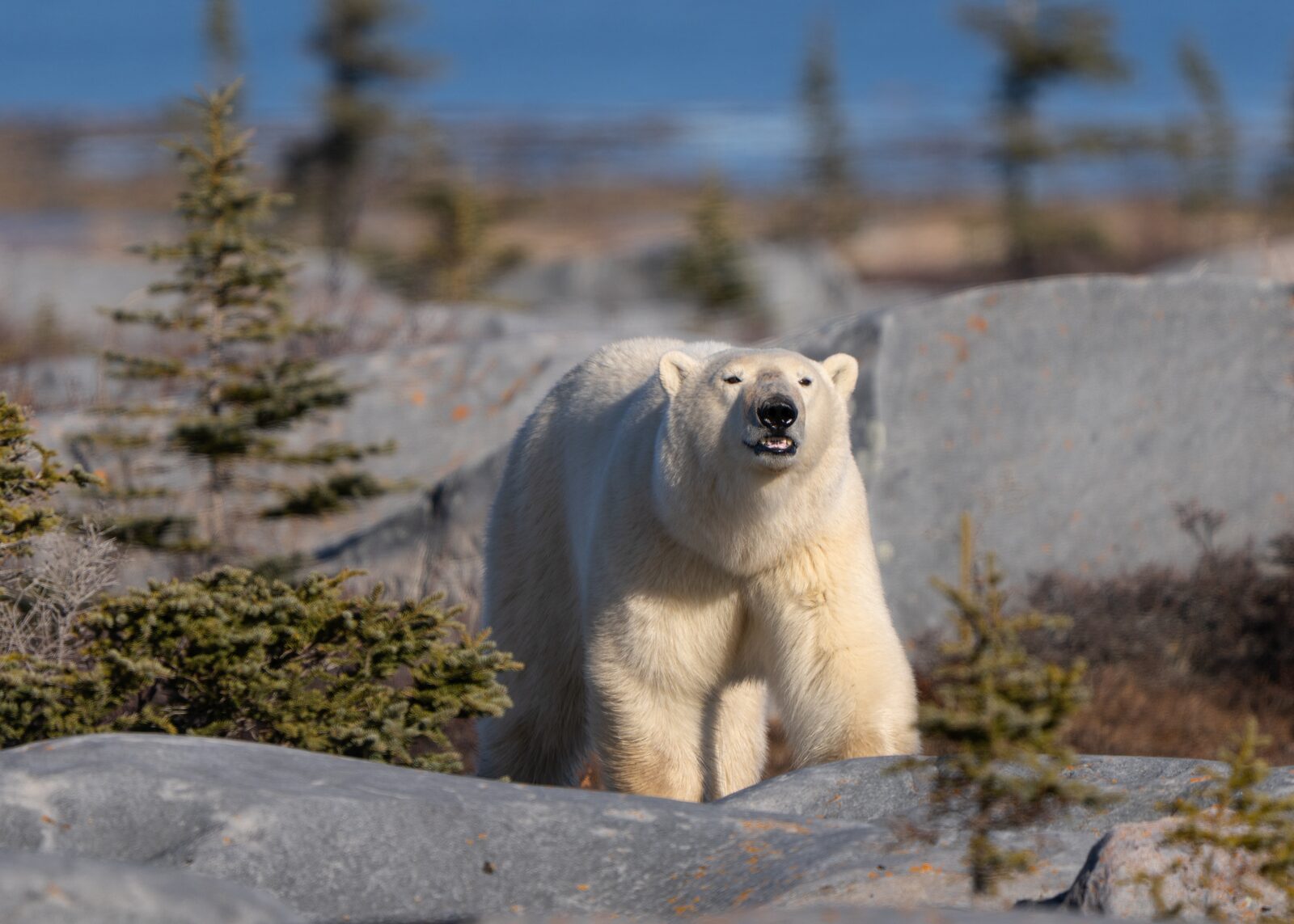
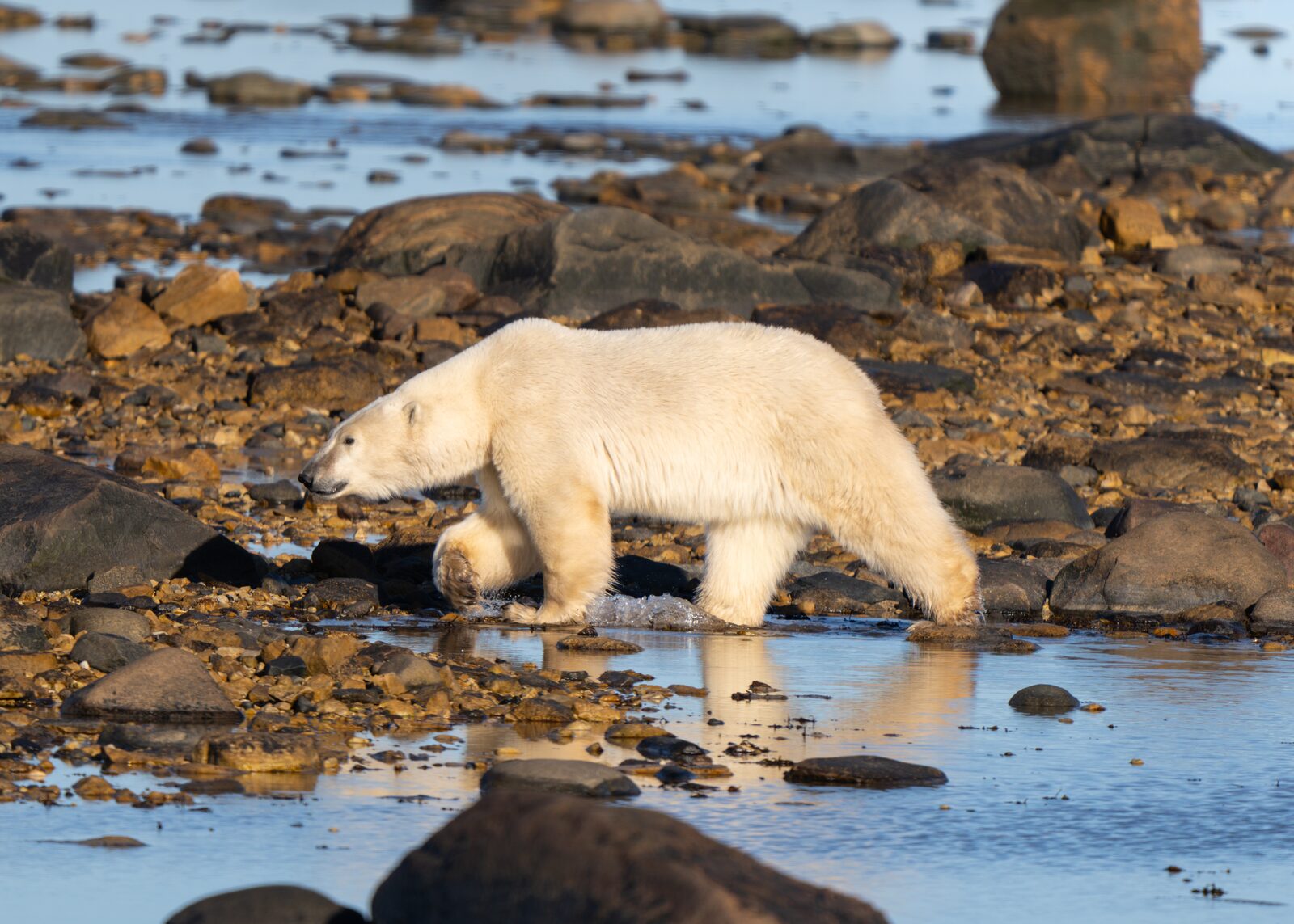
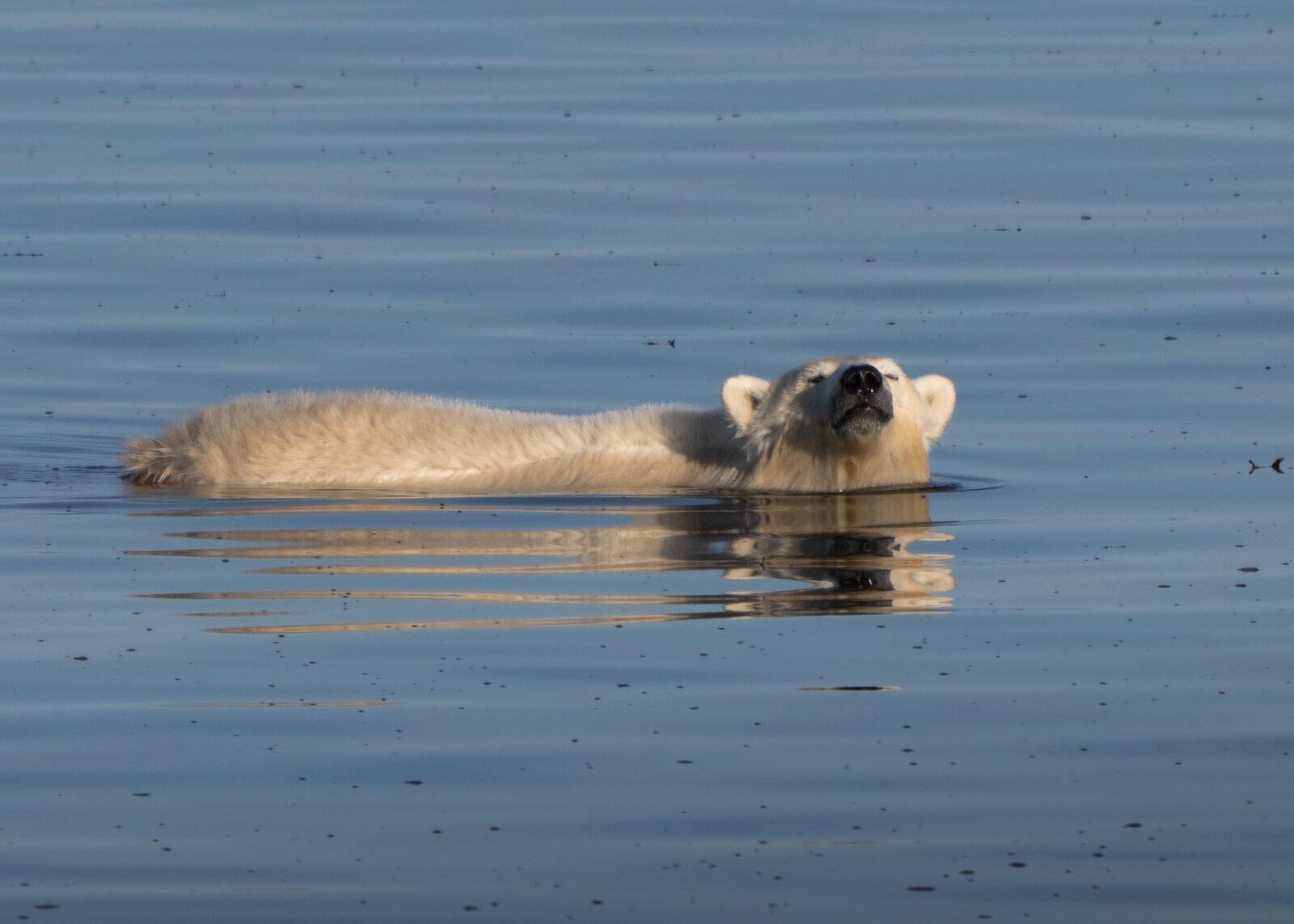
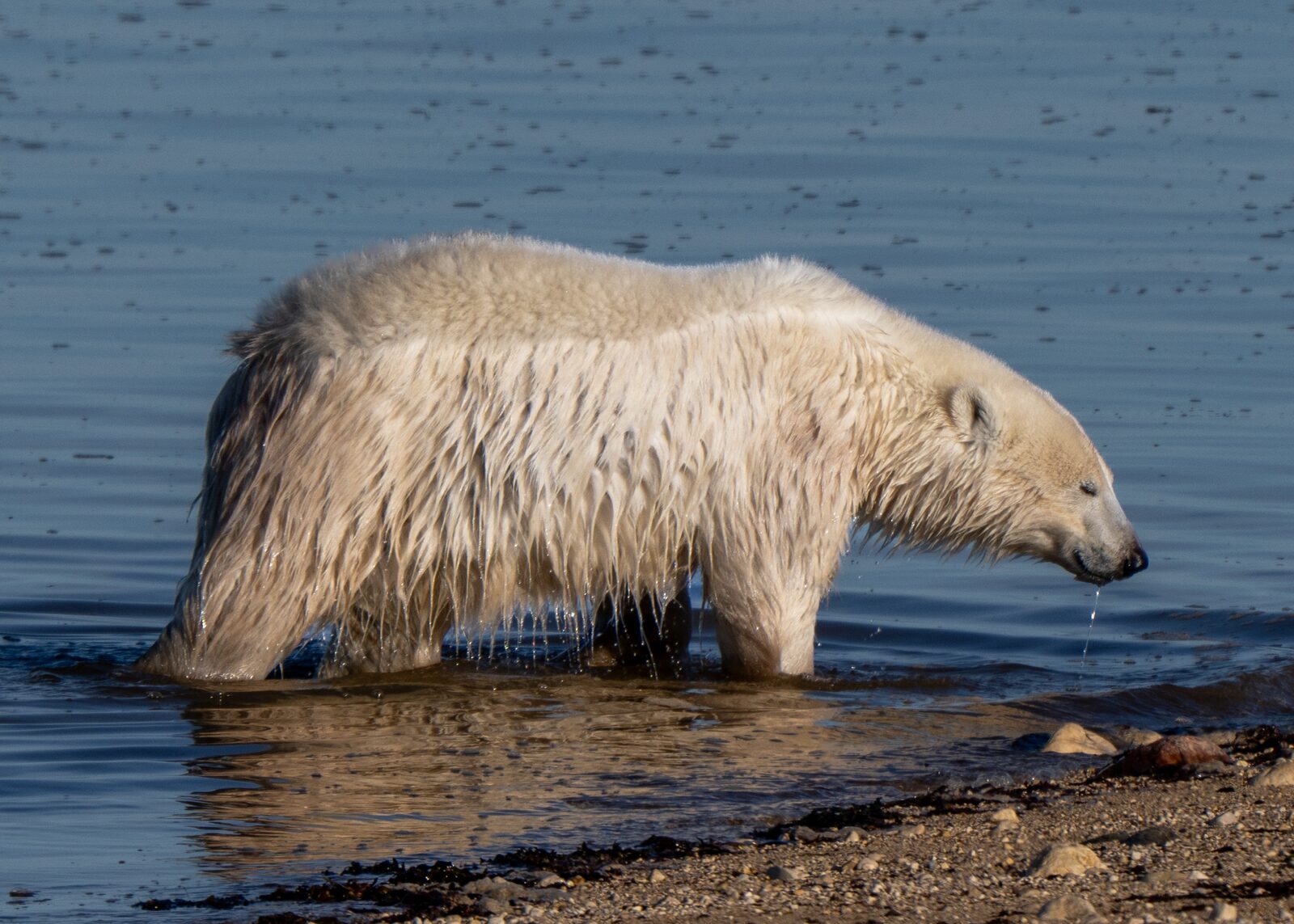
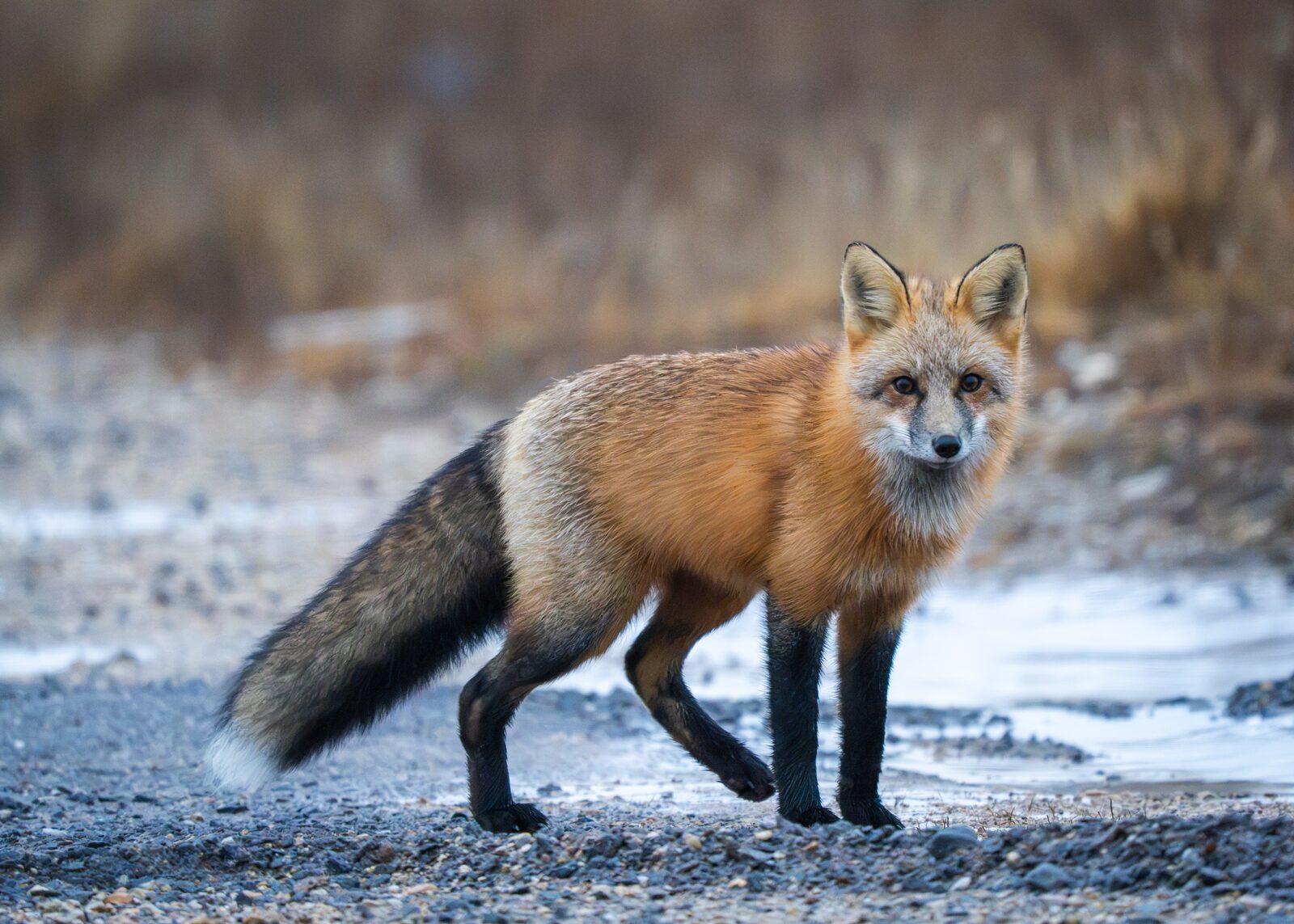
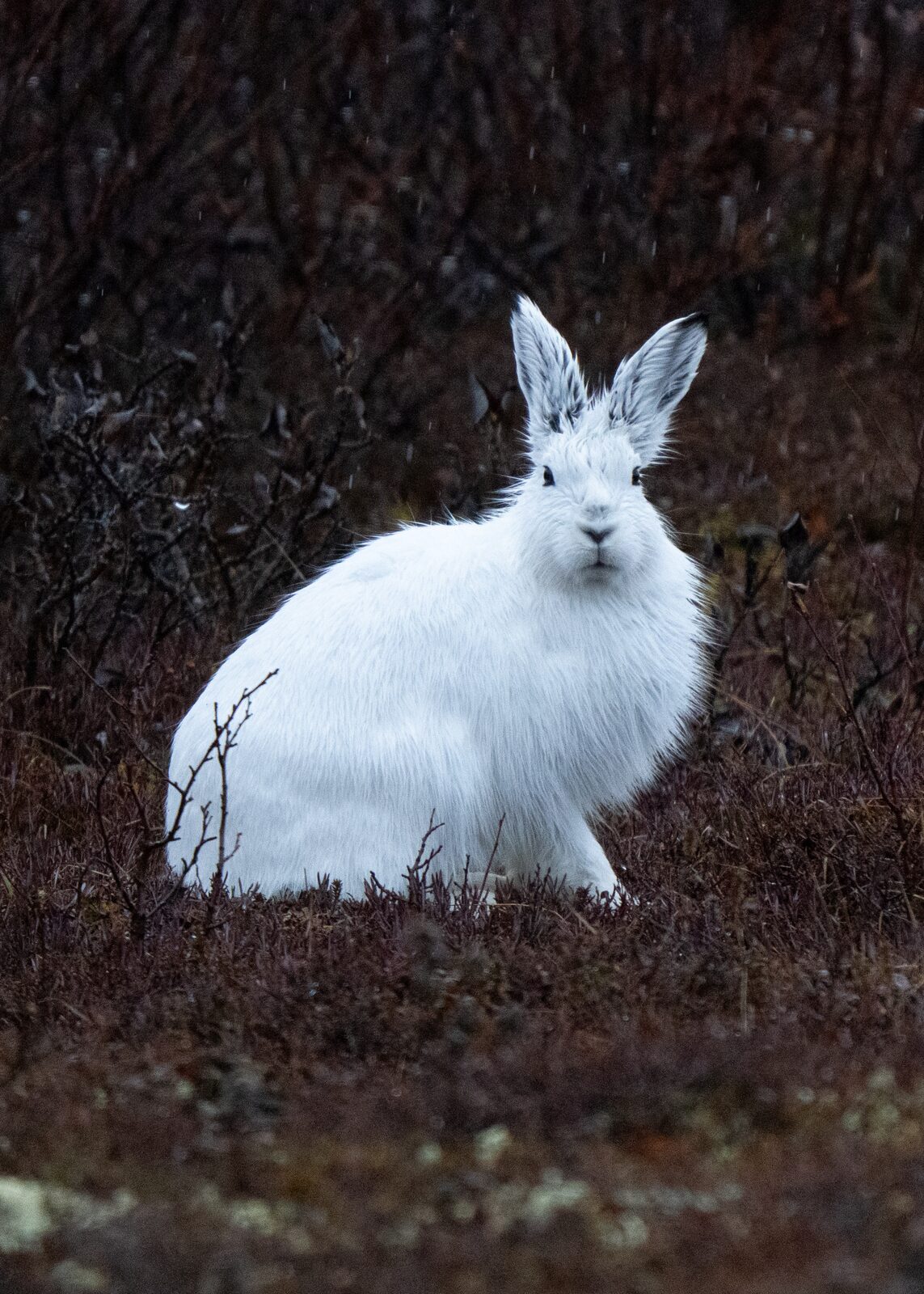
We spent the week by car with a local guide, along the coast, the rocky shoreline and the edge of the forest. This is a selection of what we saw.